
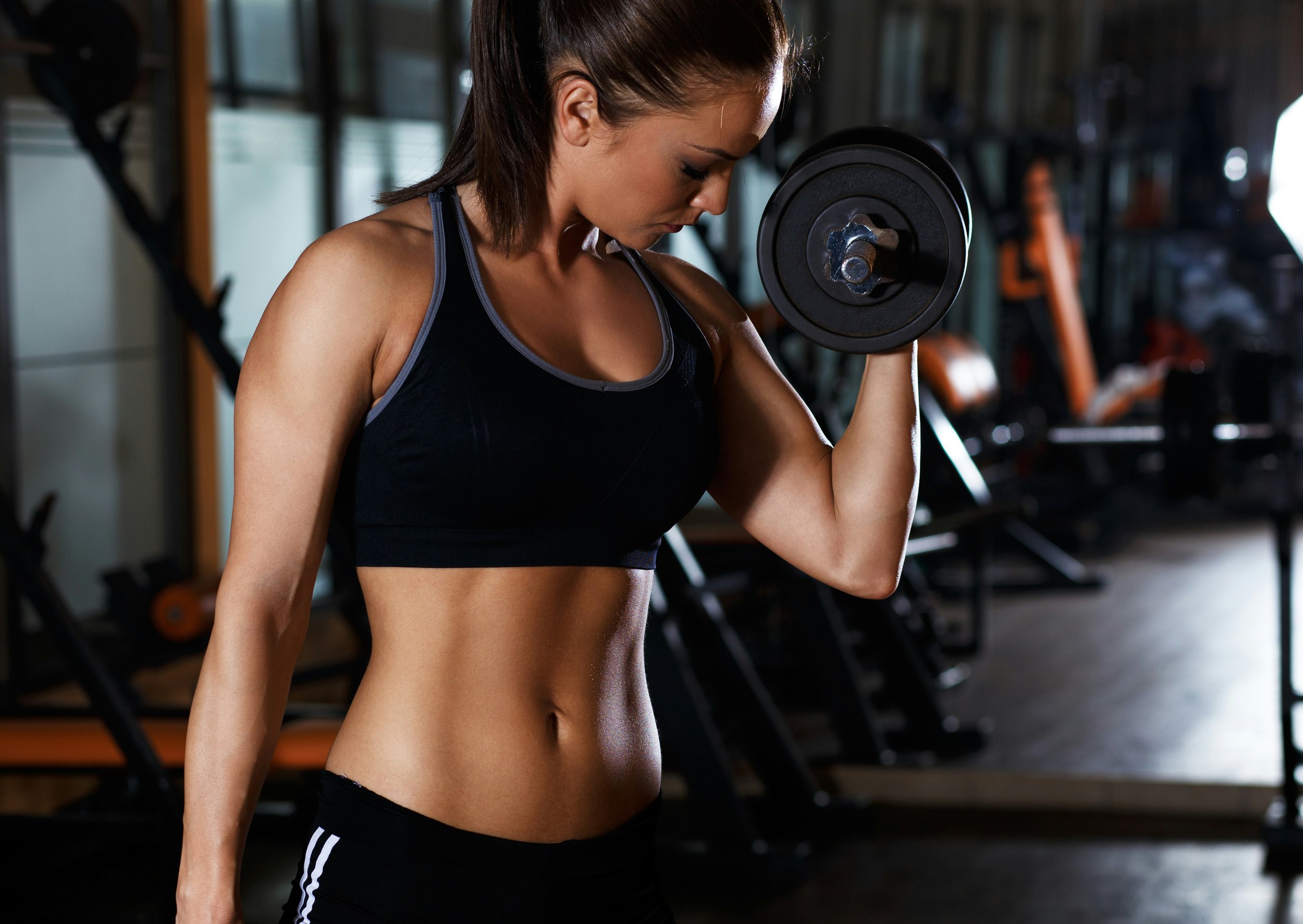
Many women assume that getting weaker is simply part of getting older. In reality, much of what we associate with aging is actually the result of losing muscle—and that's something we have far more control over than most people realize.
Beginning around age 30, adults naturally start losing muscle mass, and the process accelerates after menopause as estrogen levels decline. Without regular strength training, this loss can lead to reduced mobility, slower metabolism, decreased bone density, and a higher risk of falls.
The good news is that muscle responds to training at almost any age.
I've worked with women who were nervous to pick up a dumbbell for the first time in their sixties. Within a few months, they weren't just stronger in the gym; they were climbing stairs more easily, carrying groceries with confidence, and moving through daily life with less pain. Those are the victories that matter most.
Research supports what I see every day. Studies show that resistance training improves muscle strength, increases bone density, enhances balance, and helps reduce the risk of falls. It also improves insulin sensitivity, making it easier for the body to regulate blood sugar and lowering the risk of type 2 diabetes.
One of the biggest misconceptions is that strength training is only for people who want bigger muscles. The real goal is preserving your ability to do the things you love. Strength makes it easier to get up from the floor, lift a suitcase, garden for an afternoon, or keep up with your grandchildren. These everyday movements are what define independence as we age.
Strength training works best when it's paired with adequate protein. As we get older, our muscles become less efficient at using dietary protein, so eating enough high-quality protein throughout the day becomes even more important. Combined with resistance exercise two or three times per week, it gives your body the tools it needs to maintain and build muscle.
Healthy aging isn't about looking younger. It's about staying capable. Every workout is an investment in your future mobility, confidence, and independence. You can't stop the clock, but you can absolutely influence how well your body keeps up with it.
The strongest women I know aren't necessarily the youngest—they're the ones who made the decision to keep moving.
If you're ready to build strength, improve your health, and age with confidence, I'd love to help. Email me at fitdorth@gmail.com to learn more about my personal training and coaching services.