
The Hidden Reason You Feel Stiff
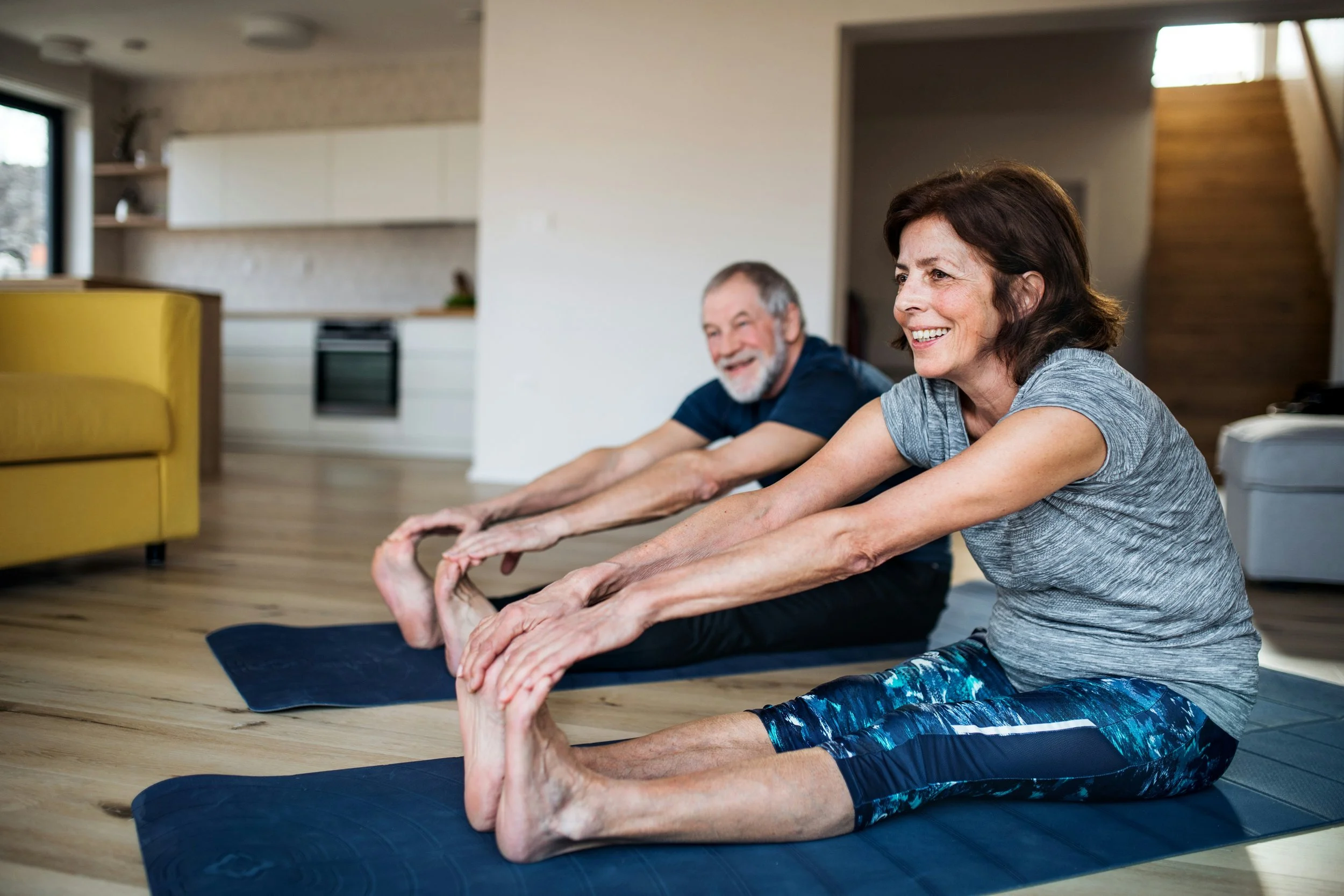
If you’ve been feeling stiffer lately, it’s easy to assume it’s just part of getting older. That belief is everywhere. People say it casually, almost like it’s something you’re supposed to accept. The truth is, age alone is rarely the real reason your body feels tight, slow, or resistant to movement.
What you’re feeling is much more connected to how you move throughout your day than how many birthdays you’ve had.
The real culprit behind stiffness is lack of movement variety. When your body repeats the same limited patterns over and over, it starts to adapt in ways that make movement feel harder. Sitting for long periods, standing in one position, or doing the same types of exercise without variation can all lead to muscles shortening, joints losing mobility, and your body becoming less responsive.
Your body is designed to move in many different ways. When it doesn’t, it begins to “protect” itself by tightening up.
Another key factor is your nervous system. When you’re stressed or moving quickly through your day without pause, your body stays in a slightly guarded state. Muscles hold tension without you even realizing it. Over time, that low-level tension becomes your baseline, and everything starts to feel stiff.
This is why stretching alone doesn’t always fix the problem. You can stretch a tight muscle, but if your nervous system still feels on edge, that tightness will come right back.
The good news is that stiffness is not permanent, and it’s not something you have to accept.
Here are a few simple ways to start feeling more mobile and at ease in your body:
1. Add more variety to your movement
Instead of only walking or doing one type of exercise, gently introduce new movements. Reach your arms overhead, rotate your spine, shift side to side, and explore different ranges of motion. It doesn’t have to be complicated. Small changes wake your body up.
2. Move more often, not just “work out”
Long periods of stillness are one of the biggest contributors to stiffness. Try breaking up your day with short movement breaks. Even two to five minutes of light movement can make a difference.
3. Slow down your movements
When you move slowly and with control, your body feels safer. This helps reduce unnecessary tension and allows your muscles to relax. Think of movement as something you experience, not something you rush through.
4. Focus on breathing
Your breath has a direct connection to muscle tension. When you take slow, steady breaths, especially while moving, your body starts to release tightness naturally.
5. Be consistent, not intense
You don’t need long, exhausting workouts to feel better. Gentle, consistent movement done regularly is far more effective for improving mobility and reducing stiffness.
The goal isn’t to fight your body or push through discomfort. It’s to reconnect with how your body is meant to move and feel.
When you give your body what it needs, variety, movement, and a sense of calm, you may be surprised at how quickly things begin to change.
Feeling strong, mobile, and comfortable in your body is not something reserved for a certain age. It’s something you can build, support, and maintain at any stage of life.
If you’re ready to feel more ease in your movement and more confidence in your body, I’d love to help you get there. You can learn more or book a session with me at dorothywaterman.com!