
From Fragile to Formidable: Rewriting the Story of Aging for Women
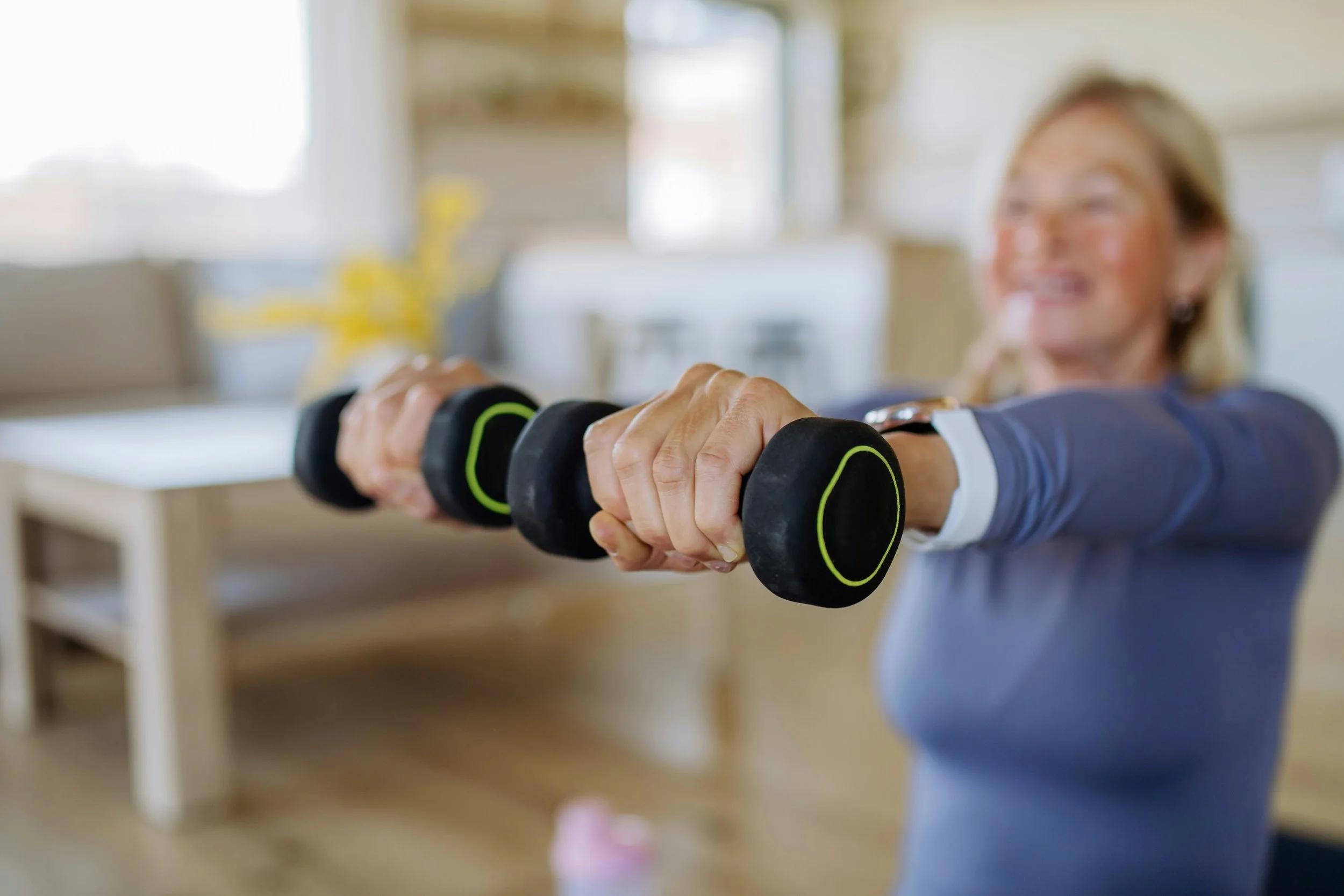
For decades, women have been conditioned to believe that aging is something to fear. Strength fades. Energy declines. Bodies become fragile. The message is subtle but constant: as the years pass, you should expect less from yourself.
This story is not only outdated. It’s wrong.
Aging is not a steady decline into weakness. It is a physiological transition that, when supported properly, can lead to greater strength, resilience, and confidence than many women ever experienced earlier in life. The problem isn’t aging itself. It’s the narrative we’ve been taught to accept about it.
Many women are encouraged to “be careful” as they get older. They’re told to avoid lifting heavy weights, to limit intensity, and to prioritize rest over challenge. While recovery is important, avoiding strength altogether is one of the fastest ways to lose independence.
Muscle mass protects joints, supports bone density, stabilizes balance, and helps regulate blood sugar. Cardiovascular fitness supports heart health, brain function, and endurance for everyday life. Mobility keeps women moving freely and confidently. These aren’t athletic goals. They are longevity essentials.
When women stop training these systems, the body doesn’t stay safe. It slowly becomes more vulnerable.
Becoming formidable does not mean pushing to extremes or training like a professional athlete. It means training with intention and purpose. It means choosing movements that build strength, protect joints, and support long-term function. It means respecting recovery while still challenging the body enough to adapt.
Formidable women aren’t reckless. They’re prepared.
They train so they can carry groceries, travel comfortably, get up off the floor with ease, and keep up with the people and experiences they love. They train to maintain confidence in their bodies, not shrink away from movement out of fear.
The most powerful shift happens when women stop asking, “What should I avoid now?” and start asking, “What do I want my body to be capable of in the next decade?”
That question changes everything.
Strength becomes a form of self-respect. Movement becomes an investment, not a punishment. Aging becomes something you participate in, not something that happens to you.
You are not fragile because of your age. You become fragile only when you stop building strength.
And the good news is this: it’s never too late to start rewriting the story.
If you’re ready to train for the next 20 or 30 years of your life instead of bracing for decline, I’d love to support you. You can learn more about working with me and book a private class through my website dorothywaterman.com.